Bolognia 5e·Dermatoloji Çalışma Paneli
Ch 41

Lupus Eritematozus

Vol 1 · sayfa 670 · §7
📖 Özet🃏 Flashcard Quiz🖼 Atlas
Cutaneous Lupus – Additional Variants (See Fig. 41.2) Lupus erythematosus tumidus Lesions are typically firm erythematous plaques that lack scale or follicular plugging. Although the epidermis appears to be uninvolved in the disease process, there is an intense perivascular and periadnexal inflammatory infiltrate within the dermis, as well as mucin deposition. LE tumidus lesions may be the same as the “urticarial plaques” described in lupus patients. However, these fixed plaques should not be confused with urticarial vasculitis (see Ch. 24). Some authors state that the lesions most commonly occur on the face, but they are often
Fig.41.2s.844
Fig. 41.3 Predominant locations of inflammatory infiltrates in subsets of cutaneous lupus erythematosus. The types of cutaneous lupus erythematosus are: acute cutaneous lupus erythematosus (ACLE), subacute cutaneous lupus erythematosus (SCLE), discoid lupus erythematosus (DLE), lupus erythematosus tumidus (LET), and lupus panniculitis (LEP); the latter three are forms of chronic cutaneous lupus erythematosus (see Fig. 41.2). The primary locations of the infiltrates are as follows: superficial dermis, ACLE and SCLE; superficial and deep dermis perivascular and periadnexal, DLE; superficial and deep dermis perivascular and periadnexal, LET; and subcutaneous fat, LEP. The final diagnosis requires clinicopathologic correlation.
Fig.41.3 As.841
Fig. 41.3 Predominant locations of inflammatory infiltrates in subsets of cutaneous lupus erythematosus. The types of cutaneous lupus erythematosus are: acute cutaneous lupus erythematosus (ACLE), subacute cutaneous lupus erythematosus (SCLE), discoid lupus erythematosus (DLE), lupus erythematosus tumidus (LET), and lupus panniculitis (LEP); the latter three are forms of chronic cutaneous lupus erythematosus (see Fig. 41.2). The primary locations of the infiltrates are as follows: superficial dermis, ACLE and SCLE; superficial and deep dermis perivascular and periadnexal, DLE; superficial and deep dermis perivascular and periadnexal, LET; and subcutaneous fat, LEP. The final diagnosis requires clinicopathologic correlation.
Fig.41.3 Bs.841
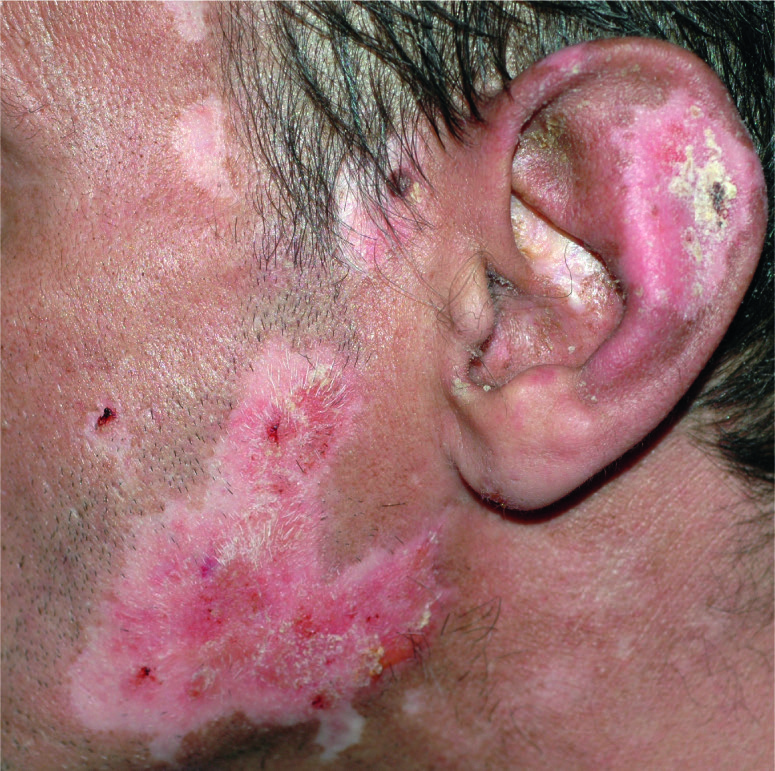
Fig. 41.5 Various presentations of discoid lesions of lupus erythematosus. A–C Lesions, which favor the head and neck region, may show erythema, scaling, atrophy, and dyspigmentation in addition to scarring (and alopecia). D Note the patulous follicular openings in addition to hyperpigmentation and scale. E–G The plaques are well-demarcated and both hypopigmentation and scarring can be seen in a range of skin phototypes. H, I Less common sites include the palms and soles, where lesions can be keratotic or ulcerative as in lichen planus. The patient with plantar involvement had systemic lupus erythematosus and responded well to isotretinoin. J Occasionally, hypertrophic lesions develop with significant hyperkeratosis. K The scarring process may be destructive. C, Courtesy Kalman Watsky, MD; E–G, Courtesy Luis Requena, MD; J, Courtesy Julie V. Schaffer, MD.
Fig.41.5 As.842
Fig. 41.5 Various presentations of discoid lesions of lupus erythematosus. A–C Lesions, which favor the head and neck region, may show erythema, scaling, atrophy, and dyspigmentation in addition to scarring (and alopecia). D Note the patulous follicular openings in addition to hyperpigmentation and scale. E–G The plaques are well-demarcated and both hypopigmentation and scarring can be seen in a range of skin phototypes. H, I Less common sites include the palms and soles, where lesions can be keratotic or ulcerative as in lichen planus. The patient with plantar involvement had systemic lupus erythematosus and responded well to isotretinoin. J Occasionally, hypertrophic lesions develop with significant hyperkeratosis. K The scarring process may be destructive. C, Courtesy Kalman Watsky, MD; E–G, Courtesy Luis Requena, MD; J, Courtesy Julie V. Schaffer, MD.
Fig.41.5 Bs.842
Fig. 41.5 Various presentations of discoid lesions of lupus erythematosus. A–C Lesions, which favor the head and neck region, may show erythema, scaling, atrophy, and dyspigmentation in addition to scarring (and alopecia). D Note the patulous follicular openings in addition to hyperpigmentation and scale. E–G The plaques are well-demarcated and both hypopigmentation and scarring can be seen in a range of skin phototypes. H, I Less common sites include the palms and soles, where lesions can be keratotic or ulcerative as in lichen planus. The patient with plantar involvement had systemic lupus erythematosus and responded well to isotretinoin. J Occasionally, hypertrophic lesions develop with significant hyperkeratosis. K The scarring process may be destructive. C, Courtesy Kalman Watsky, MD; E–G, Courtesy Luis Requena, MD; J, Courtesy Julie V. Schaffer, MD.
Fig.41.5 Cs.842
Fig. 41.5 Various presentations of discoid lesions of lupus erythematosus. A–C Lesions, which favor the head and neck region, may show erythema, scaling, atrophy, and dyspigmentation in addition to scarring (and alopecia). D Note the patulous follicular openings in addition to hyperpigmentation and scale. E–G The plaques are well-demarcated and both hypopigmentation and scarring can be seen in a range of skin phototypes. H, I Less common sites include the palms and soles, where lesions can be keratotic or ulcerative as in lichen planus. The patient with plantar involvement had systemic lupus erythematosus and responded well to isotretinoin. J Occasionally, hypertrophic lesions develop with significant hyperkeratosis. K The scarring process may be destructive. C, Courtesy Kalman Watsky, MD; E–G, Courtesy Luis Requena, MD; J, Courtesy Julie V. Schaffer, MD.
Fig.41.5 Ds.842
Fig. 41.5 Various presentations of discoid lesions of lupus erythematosus. A–C Lesions, which favor the head and neck region, may show erythema, scaling, atrophy, and dyspigmentation in addition to scarring (and alopecia). D Note the patulous follicular openings in addition to hyperpigmentation and scale. E–G The plaques are well-demarcated and both hypopigmentation and scarring can be seen in a range of skin phototypes. H, I Less common sites include the palms and soles, where lesions can be keratotic or ulcerative as in lichen planus. The patient with plantar involvement had systemic lupus erythematosus and responded well to isotretinoin. J Occasionally, hypertrophic lesions develop with significant hyperkeratosis. K The scarring process may be destructive. C, Courtesy Kalman Watsky, MD; E–G, Courtesy Luis Requena, MD; J, Courtesy Julie V. Schaffer, MD.
Fig.41.5 Es.842
Fig. 41.5 Various presentations of discoid lesions of lupus erythematosus. A–C Lesions, which favor the head and neck region, may show erythema, scaling, atrophy, and dyspigmentation in addition to scarring (and alopecia). D Note the patulous follicular openings in addition to hyperpigmentation and scale. E–G The plaques are well-demarcated and both hypopigmentation and scarring can be seen in a range of skin phototypes. H, I Less common sites include the palms and soles, where lesions can be keratotic or ulcerative as in lichen planus. The patient with plantar involvement had systemic lupus erythematosus and responded well to isotretinoin. J Occasionally, hypertrophic lesions develop with significant hyperkeratosis. K The scarring process may be destructive. C, Courtesy Kalman Watsky, MD; E–G, Courtesy Luis Requena, MD; J, Courtesy Julie V. Schaffer, MD.
Fig.41.5 Fs.842
Fig. 41.5 Various presentations of discoid lesions of lupus erythematosus. A–C Lesions, which favor the head and neck region, may show erythema, scaling, atrophy, and dyspigmentation in addition to scarring (and alopecia). D Note the patulous follicular openings in addition to hyperpigmentation and scale. E–G The plaques are well-demarcated and both hypopigmentation and scarring can be seen in a range of skin phototypes. H, I Less common sites include the palms and soles, where lesions can be keratotic or ulcerative as in lichen planus. The patient with plantar involvement had systemic lupus erythematosus and responded well to isotretinoin. J Occasionally, hypertrophic lesions develop with significant hyperkeratosis. K The scarring process may be destructive. C, Courtesy Kalman Watsky, MD; E–G, Courtesy Luis Requena, MD; J, Courtesy Julie V. Schaffer, MD.
Fig.41.5 Gs.842
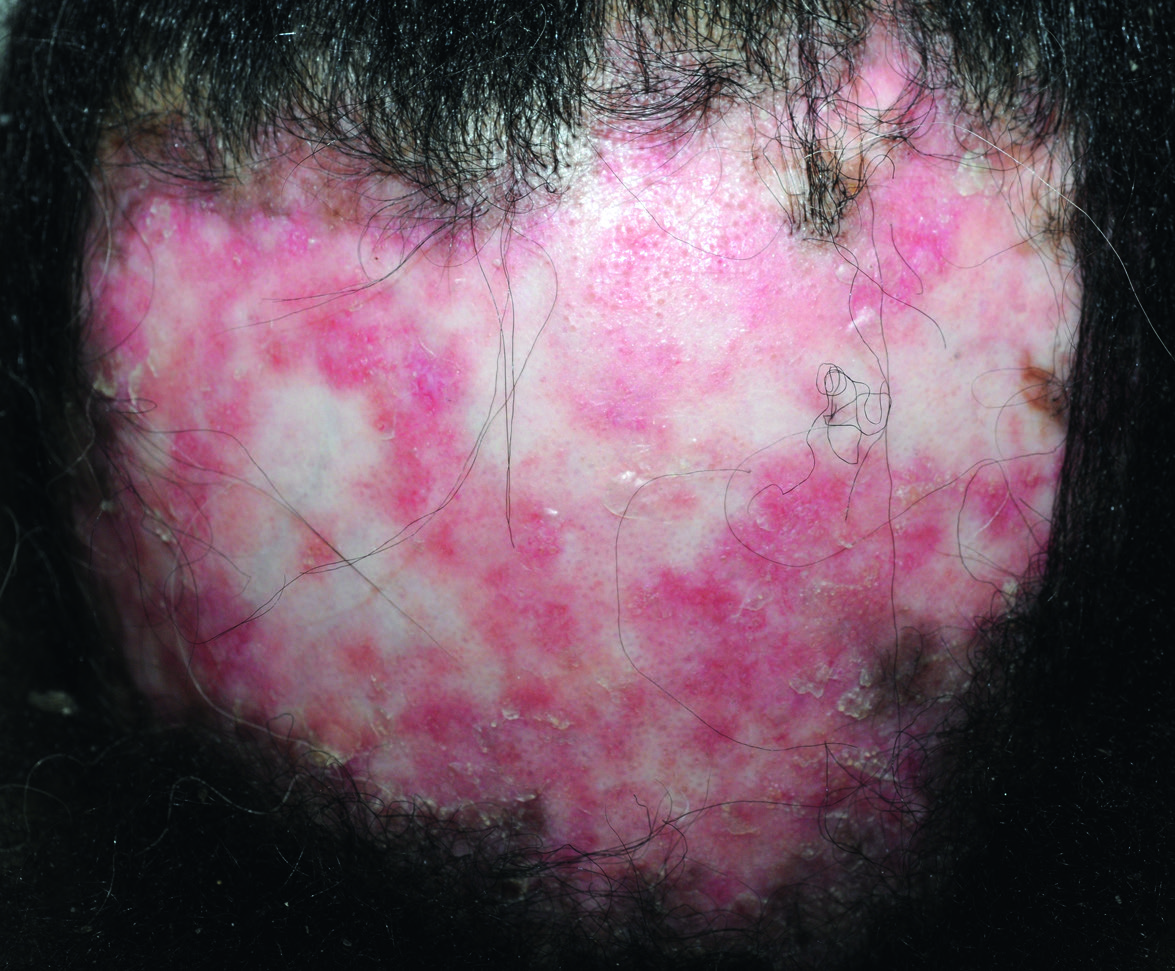
Fig. 41.6 Discoid lupus erythematosus (DLE) lesions with dyspigmentation and scarring alopecia. Hypopigmentation often develops centrally with areas of hyperpigmentation at the periphery. Note the plugging of follicular openings at 12 o’clock. By trichoscopy, follicular red dots can be seen in addition to follicular keratotic plugs (see Ch. 69). Courtesy Kalman Watsky, MD.
Fig.41.6 As.843
Fig. 41.6 Discoid lupus erythematosus (DLE) lesions with dyspigmentation and scarring alopecia. Hypopigmentation often develops centrally with areas of hyperpigmentation at the periphery. Note the plugging of follicular openings at 12 o’clock. By trichoscopy, follicular red dots can be seen in addition to follicular keratotic plugs (see Ch. 69). Courtesy Kalman Watsky, MD.
Fig.41.6 Bs.843
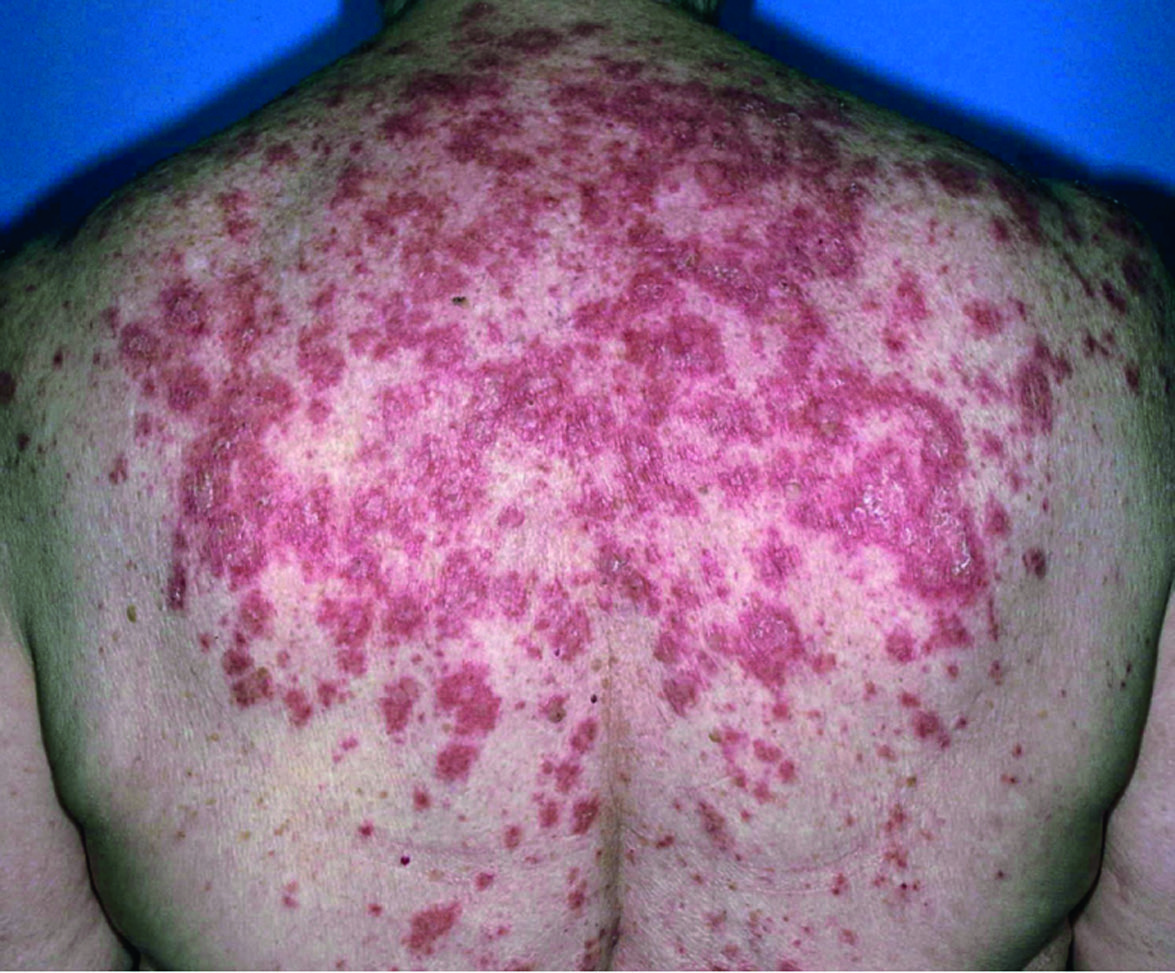
Fig. 41.7 Subacute cutaneous lupus erythematosus (SCLE). Numerous erythematous annular plaques on the back, some of which have associated white scale. Note the photodistribution. Courtesy Kathryn Schwarzenberger, MD.
Fig.41.7 As.843
Fig. 41.7 Subacute cutaneous lupus erythematosus (SCLE). Numerous erythematous annular plaques on the back, some of which have associated white scale. Note the photodistribution. Courtesy Kathryn Schwarzenberger, MD.
Fig.41.7 Bs.843
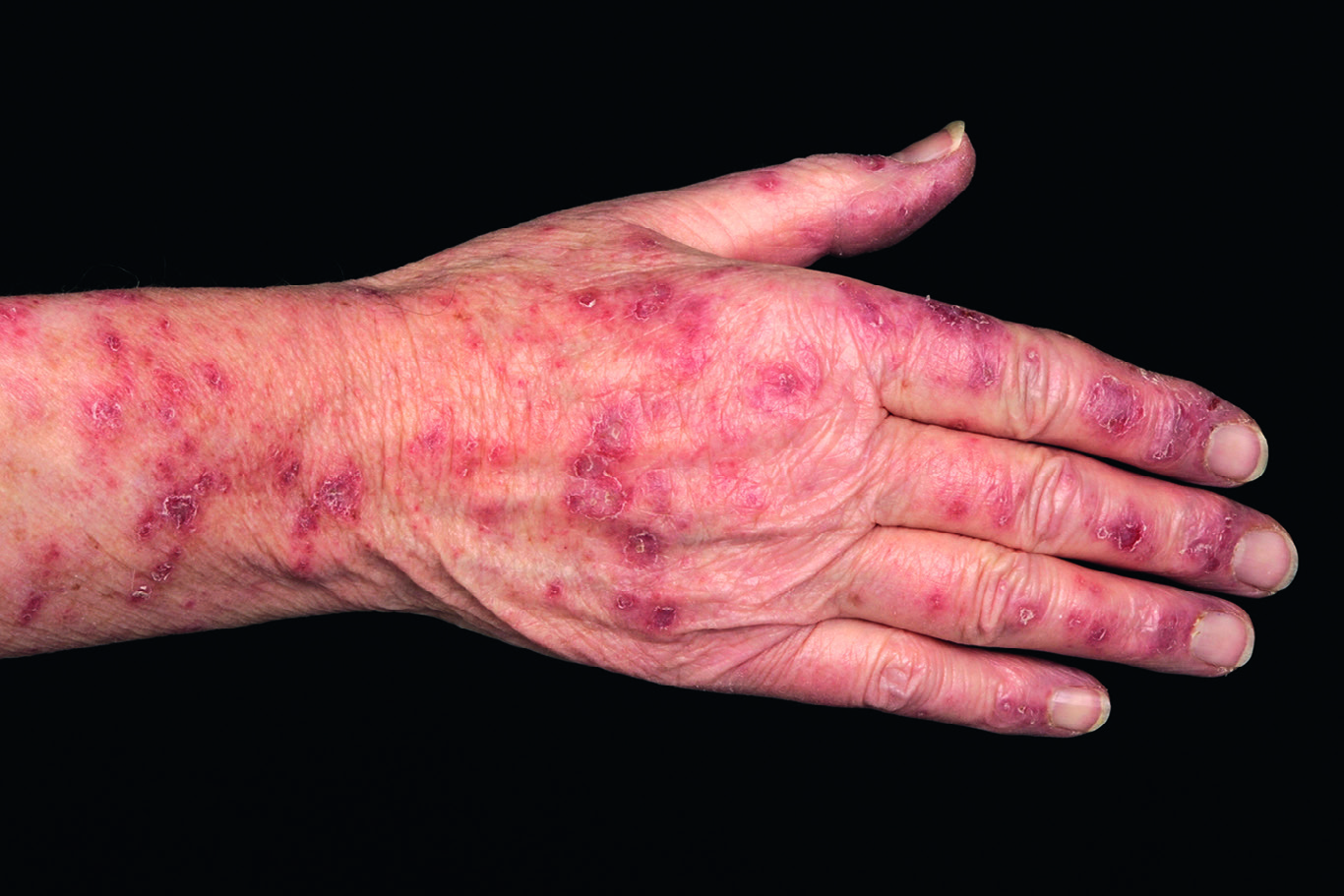
Fig. 41.8 Subacute cutaneous lupus erythematosus (SCLE). Lesions are most commonly seen on the upper trunk and sun-exposed aspects of the upper extremities. The margins of the annular lesions may have scale-crust (A) or be composed of multiple papules (B). C Note the peripheral scale and relative sparing of the proximal interphalangeal joints. D Numerous annular lesions with scale-crust in the inner borders in a patient with terbinafine-induced SCLE. C, Courtesy Lorenzo Cerroni, MD; D, Courtesy Luis Requena, MD.
Fig.41.8 As.843
Fig. 41.8 Subacute cutaneous lupus erythematosus (SCLE). Lesions are most commonly seen on the upper trunk and sun-exposed aspects of the upper extremities. The margins of the annular lesions may have scale-crust (A) or be composed of multiple papules (B). C Note the peripheral scale and relative sparing of the proximal interphalangeal joints. D Numerous annular lesions with scale-crust in the inner borders in a patient with terbinafine-induced SCLE. C, Courtesy Lorenzo Cerroni, MD; D, Courtesy Luis Requena, MD.
Fig.41.8 Bs.843
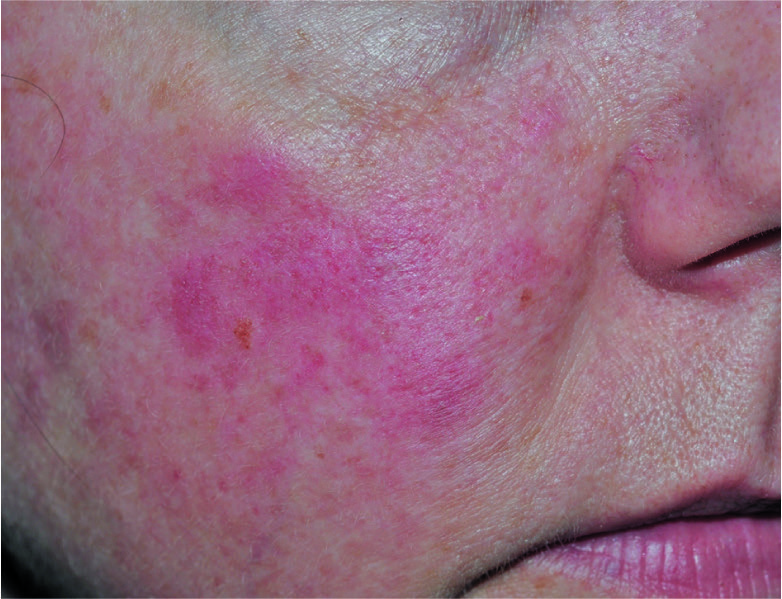
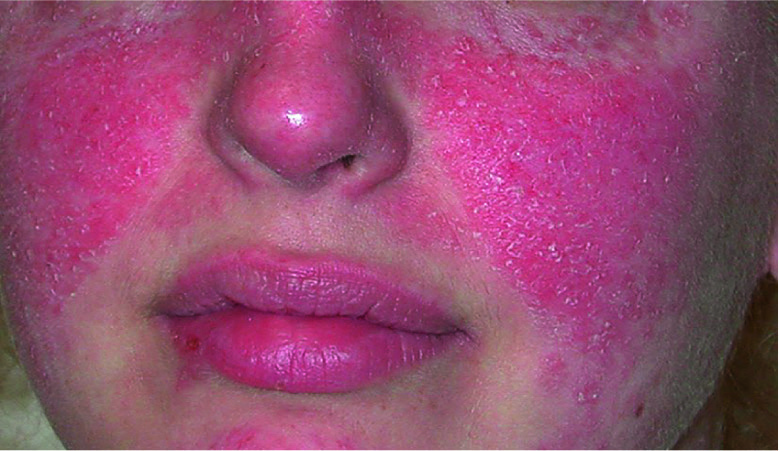
Fig. 41.9 Acute cutaneous lupus erythematosus (ACLE). The facial erythema, often referred to as a “butterfly rash” may be variable (A), edematous (B), or have associated scale (C). The presence of small erosions can aid in the clinical differential diagnosis. A, Courtesy Kalman Watsky, MD.
Fig.41.9s.844
Fig. 41.10 Acute cutaneous lupus ­erythematosus (ACLE). This patient had ACLE lesions on the arms as well as the face.
Fig.41.10s.844
observed on the trunk as well (Fig. 41.11). Morphologically, the lesions are similar to those of lymphocytic infiltrate of Jessner and may have central clearing (see Ch. 121); some clinicians believe that lymphocytic infiltrate of Jessner and LE tumidus are either very closely related or exist along the same disease spectrum54.
Fig.41.11 As.845
Fig. 41.11 Lupus erythematosus tumidus. Annular pink plaques on the chest (A) and pink–violet plaques on the face (B). None of the lesions have epidermal change. B, Courtesy Julie V. Schaffer, MD.
Fig.41.11 Bs.845
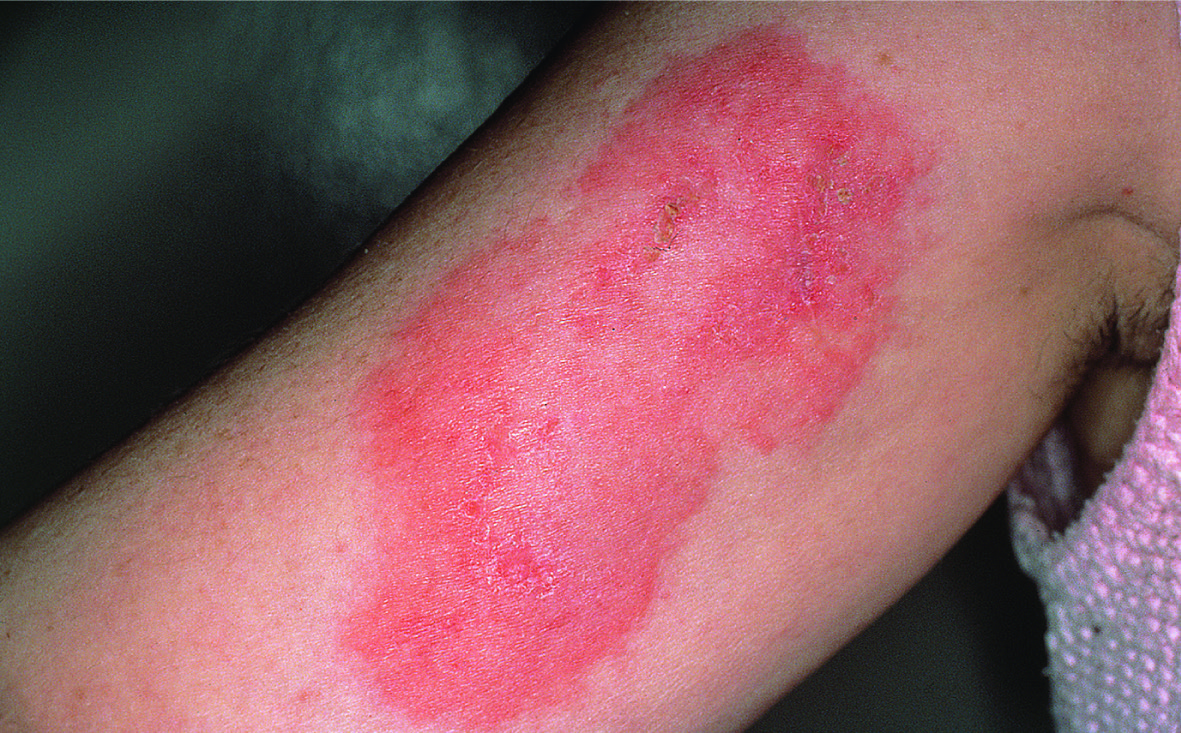
Fig. 41.12 Lupus panniculitis. Erythematous plaque on the upper arm. The lesions may resolve with lipoatrophy.
Fig.41.12s.845
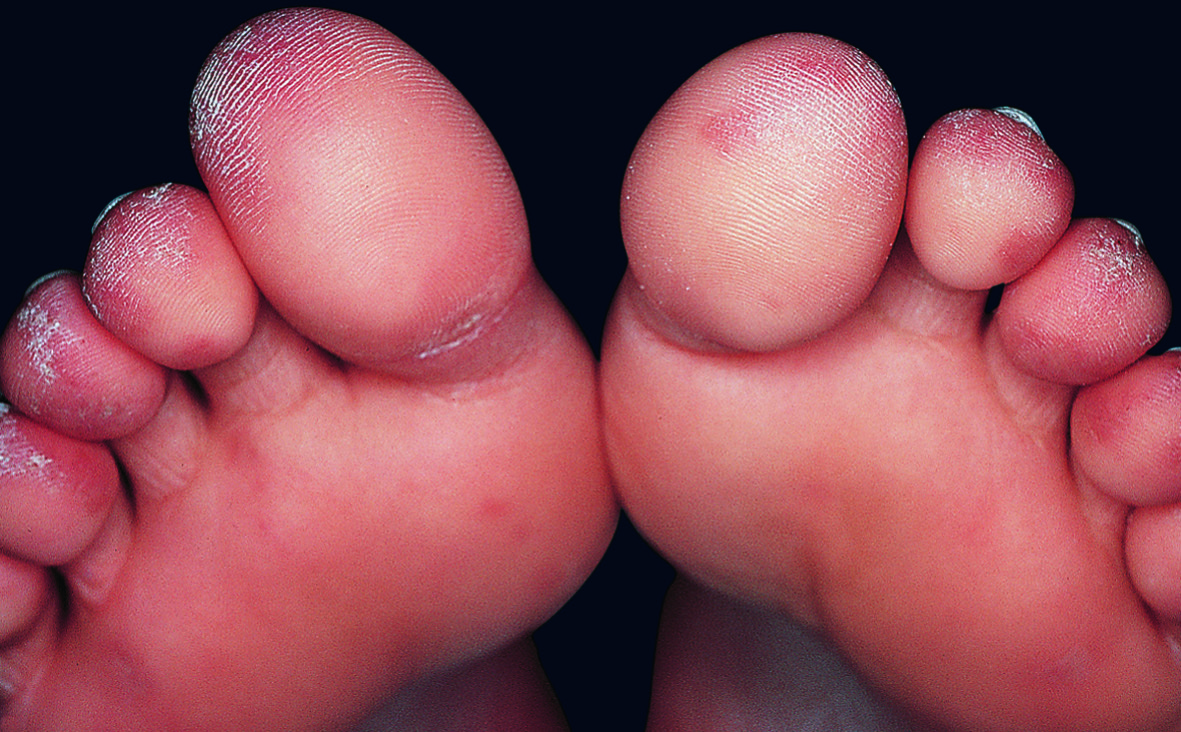
Fig. 41.13 Chilblain lupus. Violaceous plaques, some with scale, on toes. If there is a family history of this disorder, the possibility of mutations in TREX1, which encodes a DNA exonuclease, or SAMHD1, which encodes a host restriction nuclease that plays a role in the innate immune response, can be considered.
Fig.41.13s.845
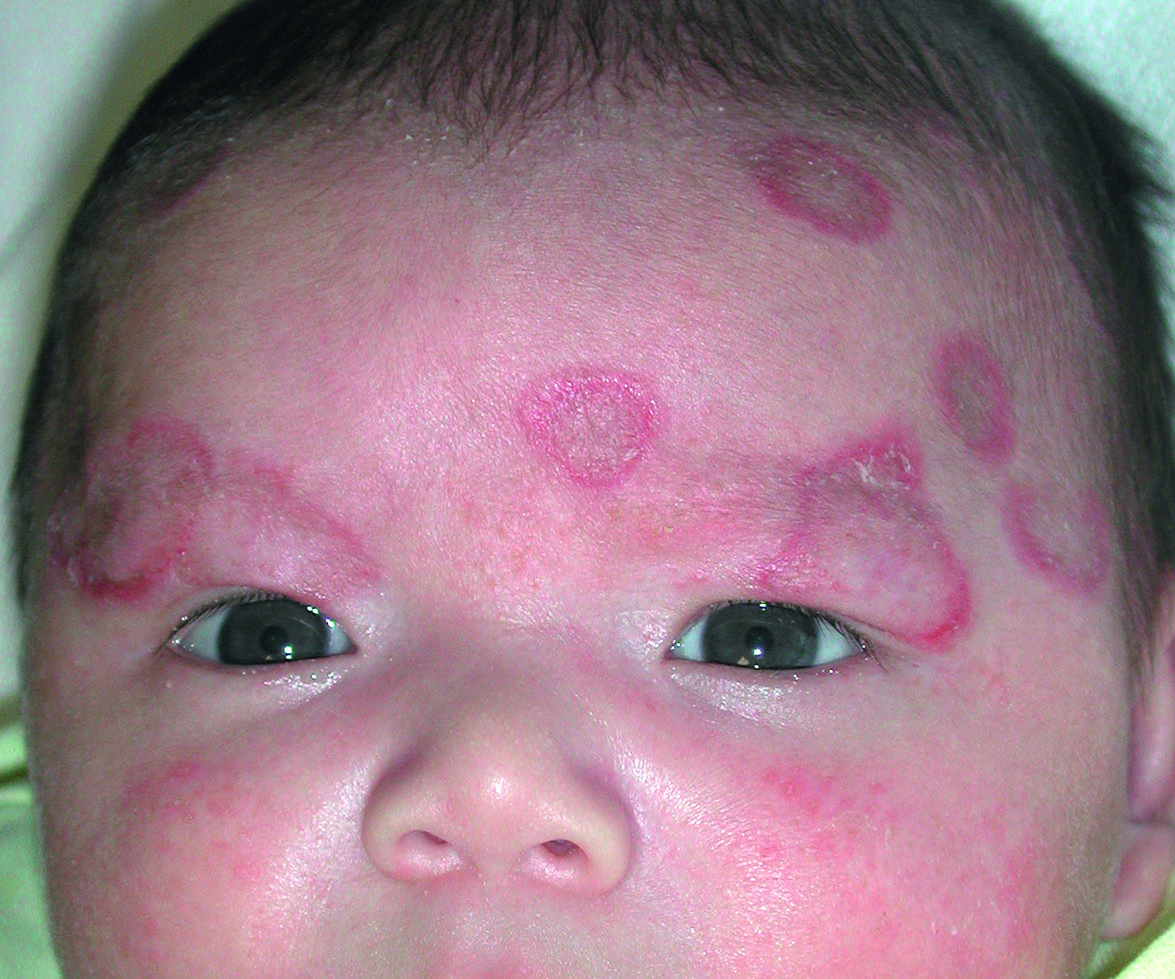
Fig. 41.14 Neonatal lupus erythematosus. Annular erythematous plaques on the forehead and scalp. Note the resemblance to the annular form of subacute cutaneous lupus erythematosus. Courtesy Julie V. Schaffer, MD.
Fig.41.14s.846
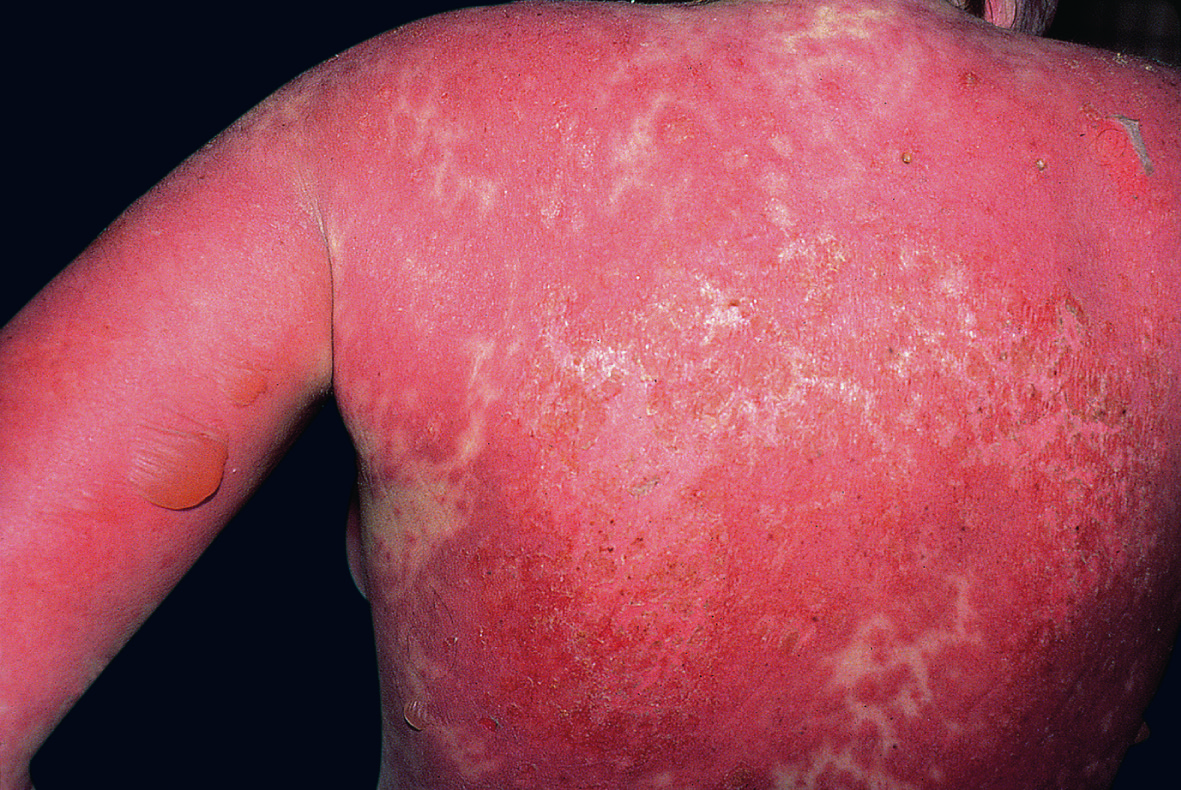
Fig. 41.15 Toxic epidermal necrolysis-like eruption of acute lupus erythema- tosus. This presentation has also been referred to as a form of acute syndrome of apoptotic pan-epidermolysis (ASAP).
Fig.41.15s.846